
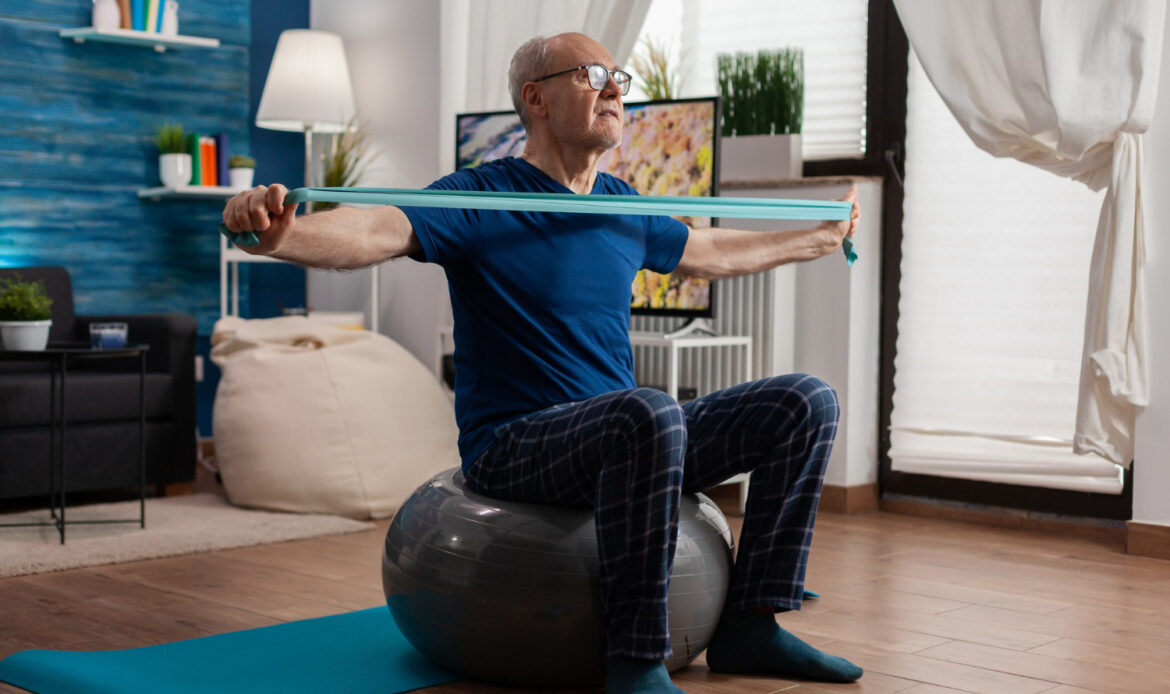
Maintaining an active lifestyle is crucial for seniors to support physical health, mental well-being, and overall quality of life. Regular exercise can enhance mobility, reduce the risk of chronic conditions, and boost mood. This post explores why exercise matters for seniors and offers practical ways to stay active.
Why Exercise Matters for Seniors
As we age, muscle mass and bone density naturally decline, increasing the risk of falls and injuries. Exercise helps counteract these changes by strengthening muscles, improving balance, and enhancing flexibility. Beyond physical benefits, staying active can reduce symptoms of anxiety and depression, promote better sleep, and improve cognitive function.
Dr. Robert Schreiber, a physician specializing in geriatrics, emphasizes that regular physical activity can help older adults maintain independence and improve their quality of life by enhancing both physical and mental health. Activities like walking, stretching, or light strength training can make a significant difference.
Types of Exercise for Seniors
- Aerobic Exercise: Activities like brisk walking or swimming improve cardiovascular health and stamina.
- Strength Training: Light weights or resistance bands help maintain muscle mass and bone strength.
- Balance Exercises: Tai chi or simple balance drills reduce the risk of falls.
- Flexibility Exercises: Yoga or stretching routines enhance mobility and reduce stiffness.
Seniors should aim for at least 150 minutes of moderate aerobic activity per week, as recommended by health guidelines, but even small amounts of movement can be beneficial.
Getting Started Safely
Before starting an exercise routine, seniors should consult a healthcare provider to ensure activities are safe for their health conditions. Start with low-impact exercises and gradually increase intensity. Group classes, such as chair yoga or water aerobics, can add a social element, making exercise more enjoyable. Always prioritize safety with proper footwear and, if needed, assistive devices.
Staying Motivated
To make exercise a habit, choose activities that are enjoyable, set realistic goals, and involve friends or family for support. Tracking progress, such as steps taken or flexibility improvements, can also keep motivation high. Whether it’s a morning walk or a dance class, every step counts toward a healthier life.